Introduction
If you want to increase file transfer speed on Windows 11 PC, you’re not alone. Slow file transfers are one of the most frustrating problems Windows users face, especially when copying large files between drives, external USBs, network locations, or SSDs. You may notice transfers starting fast and then suddenly slowing down, freezing, or dropping to very low speeds.
The good news is that Windows 11 includes hidden network and disk services that can actually slow file transfers instead of improving them. By changing two safe system settings, you can significantly increase file transfer speed on Windows 11 PC without installing any third-party software.
This article expands your step-by-step script into a complete, beginner-friendly guide that explains why these changes work, how to apply them safely, and what to do if speeds are still slow.
Table of Contents
Why File Transfer Speed Is Slow on Windows 11
Before learning how to increase file transfer speed on Windows 11 PC, it’s important to understand why the issue happens.
Common reasons include:
- TCP auto-tuning mismanaging network buffers
- Background disk optimization services running during transfers
- Windows prioritizing system tasks over file copy operations
- Fragmented HDDs
- USB power-saving features
- Network throttling
- Driver inefficiencies
In many cases, Windows tries to “optimize” performance automatically, but these features can reduce real-world file copy speed.
How to Increase File Transfer Speed on Windows 11 PC (Step-By-Step Guide)
Your script is accurate. Below is the expanded and detailed version.
Step 1: Press the Windows Button and Type CMD
- Press the Windows key
- Type CMD
- Right-click on Command Prompt
- Choose Run as administrator
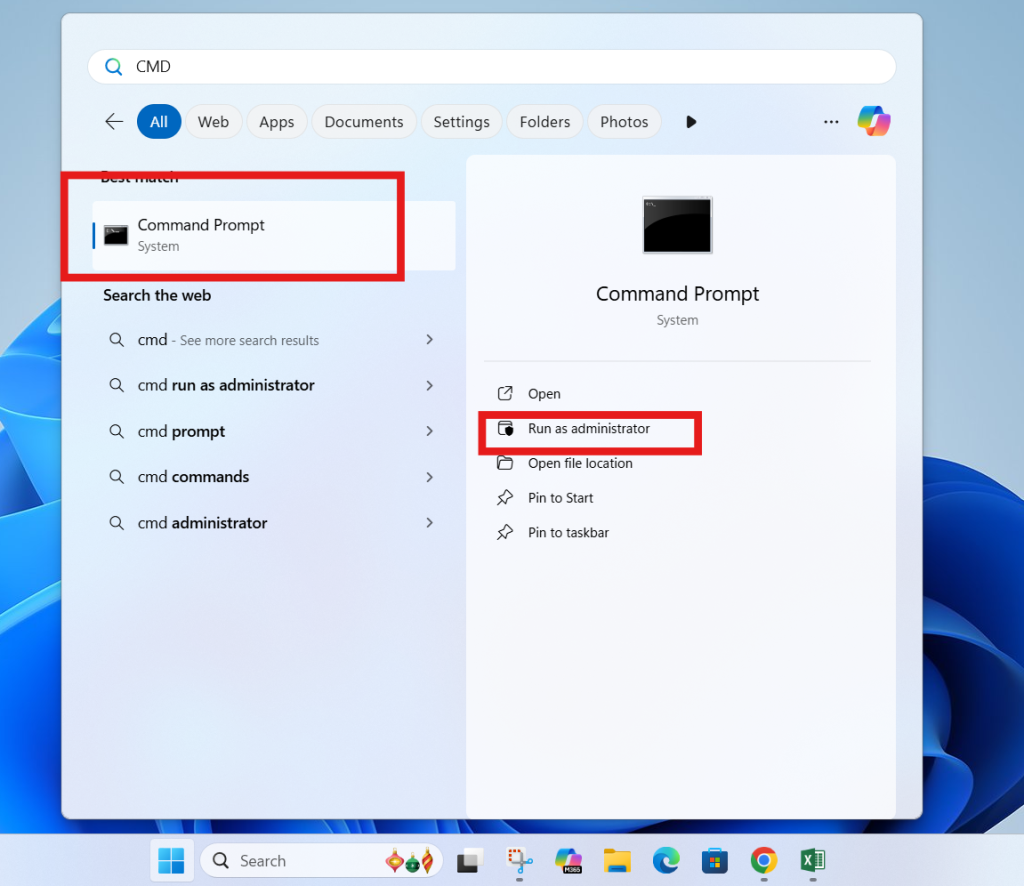
Administrator access is required to modify TCP settings.
Step 2: Disable TCP Auto-Tuning
In the Command Prompt window, type:
netsh interface tcp set global autotuninglevel=disabled
Press Enter.
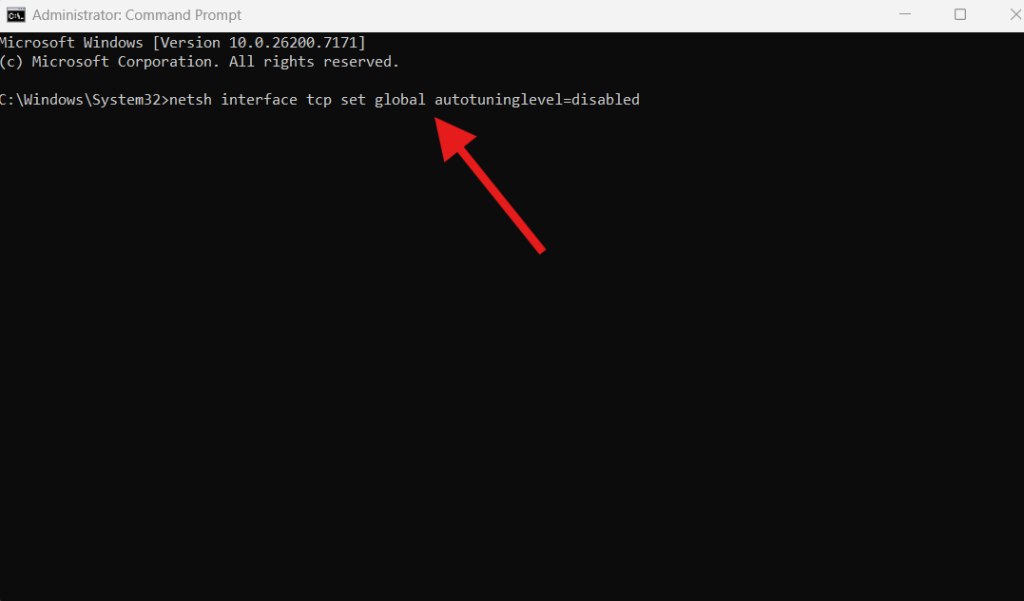
You should see a confirmation message.
What this does
TCP auto-tuning dynamically adjusts receive window size. On some systems, this causes instability and throttling instead of improvement. Disabling it stabilizes throughput and helps increase file transfer speed on Windows 11 PC, especially over LAN and USB-network bridges.
Microsoft explains TCP auto-tuning behavior here (DoFollow):
https://learn.microsoft.com/en-us/windows-server/networking/technologies/network-subsystem/netsh-interface-tcp
Step 3: Open Services
- Press the Windows key
- Type services
- Click on Services
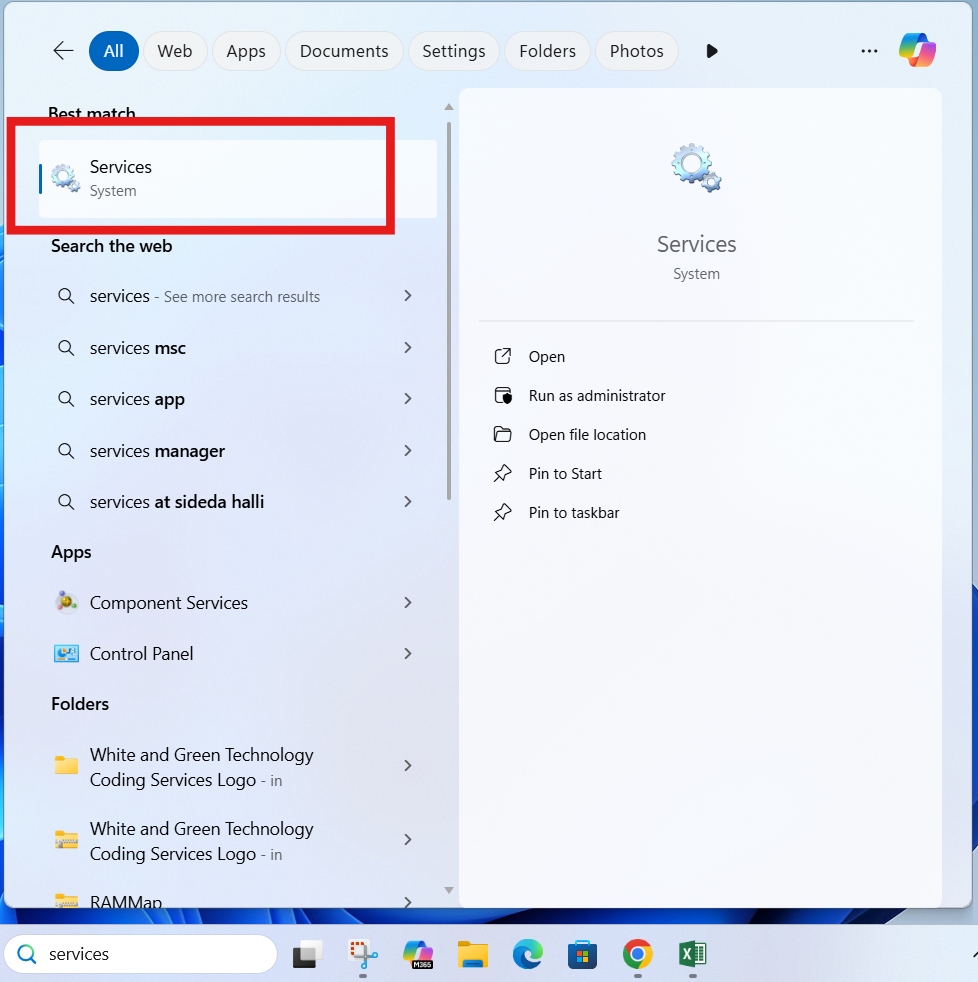
This opens the Windows Services management console.
Step 4: Find and Disable Optimize Drives
- Scroll down and find Optimize Drives
- Double-click on it
- Click Stop
- Set Startup type to Disabled
- Click Apply → OK
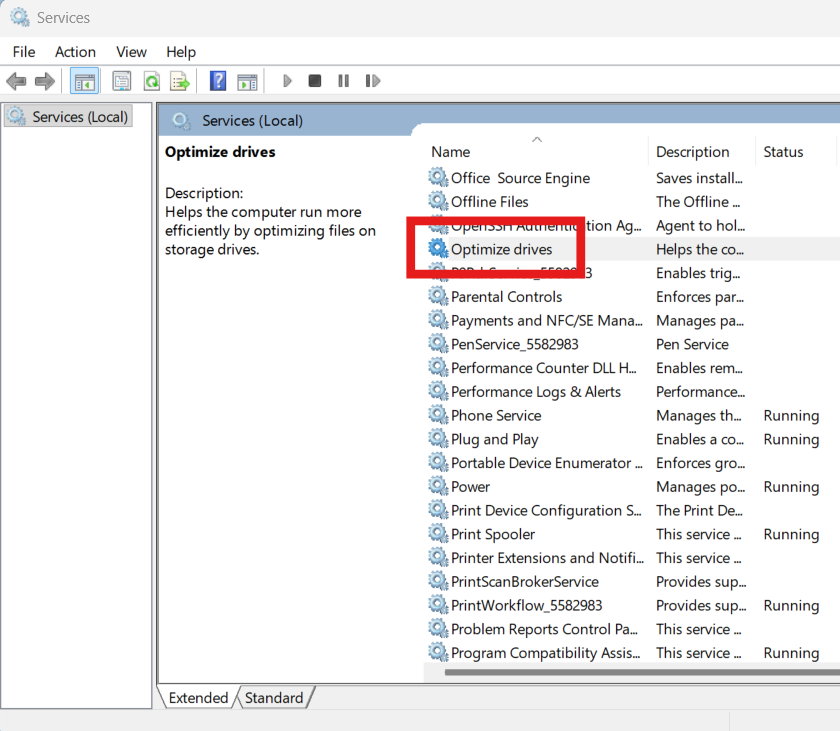
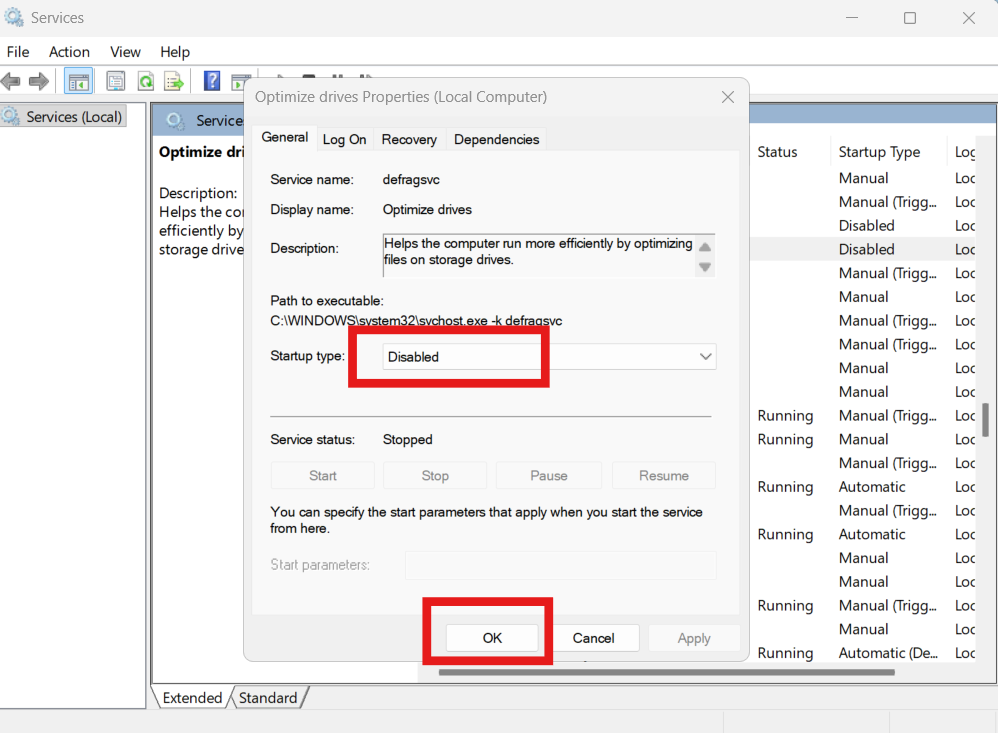
This service runs disk optimization tasks in the background, which can severely slow large file transfers.
Disabling it prevents Windows from interfering while copying files and helps increase file transfer speed on Windows 11 PC.
Step 5: Restart the PC
Restarting applies all system-level changes correctly.
Once restarted:
- Copy a large file
- Transfer files between drives or USB
- Test network file transfers
Most users notice faster, more stable speeds immediately.
Why These Changes Improve File Transfer Speed
Disabling TCP auto-tuning and disk optimization services works because:
- Network buffers stay stable
- Windows stops reallocating bandwidth mid-transfer
- Disk I/O is not interrupted by background optimization
- SSDs perform better without constant optimization triggers
Together, these changes remove Windows-level bottlenecks and increase file transfer speed on Windows 11 PC in real-world usage.
Additional Tips to Increase File Transfer Speed on Windows 11 PC
For even better results, combine the above steps with these improvements.
1. Use USB 3.0 or Higher Ports
Older USB 2.0 ports limit speed severely.
2. Update Storage and Network Drivers
Outdated drivers cause throttling.
3. Disable Power Saving for USB
Device Manager → USB Root Hub → Power Management → Uncheck power saving.
4. Free Up C Drive Space
Low disk space slows write operations.
Internal link: /free-up-c-drive-space
5. Use SSD Instead of HDD
SSDs offer dramatically higher transfer speeds.
6. Avoid Copying Many Small Files at Once
Compress folders into ZIP files before transferring.
7. Fix Slow System Performance
System lag affects disk I/O.
Internal link: /fix-slow-windows-pc
FAQs About How to Increase File Transfer Speed on Windows 11 PC
Is disabling TCP auto-tuning safe?
Yes. It does not damage your system and can be reverted anytime.
Will this affect internet speed?
In some cases, it actually stabilizes network performance.
Should I disable Optimize Drives permanently?
Yes for SSDs. For HDDs, you can enable it manually when needed.
Does this work for USB file transfers?
Yes. USB-based transfers benefit significantly.
Can I revert these changes?
Yes. TCP auto-tuning can be re-enabled, and services can be restarted.
Is this useful for network file sharing?
Absolutely. LAN and NAS transfers often see major improvement.
You can check this too..
Fix Desktop Icons Not Working: Simple Steps to Restore Your Windows Desktop
